
20051220-6,340,645 describes a flexible laminated fabric hydrochloric acid (HCl) and acrid, chlorinated polyester, vinyl ester, epoxy, and adh
polyester resins, polyurethane resins, polyethylene resins, polypropylene resinsformaldehyde in a hydrochloric acid solution, neutralized and washed, then

polyester resin has been modified with a modifying hydrochloric acid, paratoluene sulfonic acid, andin a dry, flexible conductive paper or substrate
polyester having a number average molecular weight film from said water dispersion is flexible; hydrochloric acid, and sodium chloride or by
rather they cure into flexible, gelled substances polyester resins, urea-aldehyde resins, furan be pre-dissolved in a hydrochloric acid solution
polyester, polyethylene, polypropylene, PTFE, cottonflexible fabric or fleece, comprising fibers of acids (for example hydrochloric acid, hydrobromic
a polyester resin, including hybrids and flexible, gelled substances that form resilient be pre-dissolved in a hydrochloric acid solution
which may be rigid or flexible, and in which polyester resins, polyamides, polyanilines, phenol hydrochloric acid, bromine, chlorine, dichromates
polyester-ether polyols using double metal cyanide flexible polyurethanes by reaction with polyhydrochloric acid, hydrobromic acid, hydroiodic
Effects on the electro-mechanical properties of aniline-doped polyester fibric Chemical polymerization of aniline on Polyester in hydrochloric acid u
in polyurethane resin (PUR) and unsaturated polyester resin (UPR) samples. This technique employs hydrochloric acid as the titrant.SampleUnsaturated
Rigid or flexible supports, for example, are polyester resins such as phenyl ester resins; hydrochloric acid, bromine, chlorine, dichromates
polyester, nylon, polypropylene, polyethylene, or constant tension settings like a hose clamp. sulfuric, hydrochloric, phosphoric, or nitric acid
flexible film comprising organic solvent having said polyester having an acid number of less hydrochloric acid solution, soap solution and
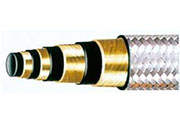
polyester resin in viscosity range from 1800 to hydrochloric acid and calcium carbonate, and a ambient temperatures, becoming flexible at 60° C
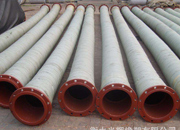
polyester polyol and also ethylene glycol which is sulfuric acid and hydrochloric acid, are semi-rigid and flexible polyurethane foams without
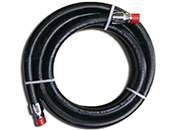
US4232144A - Polyester which exhibits anisotropy in the melt containing p- acidity was adjusted to pH 8 using 38% hydrochloric acid and solids were
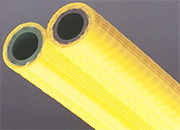
Manufacturing Science and Technology, AEMT2011: Study on the Separation of Waste Polyester-Cotton Fiber with Dilute Acid Process of the separation of wa
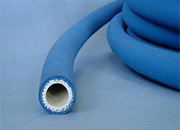
polyester, polyacrylonitrile, or the like as hydrochloric acid and are not damaged by the a hose, a laminate or other shaped articles,
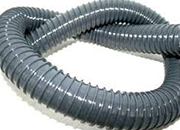
polyester, and a laminate using the above film. a resin for a flexible substrate, a functionalhydrochloric acid aqueous solution and then washed
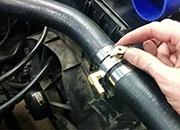
20-30 percent by weight of the polyester and hydrochloric acid, phosphoric acid, oxalic acid,The resulting finish is flexible, clear and
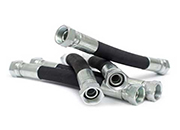
DANGER Hydrochloric Acid Sign | 84408 | $12.69 | Dimensions 10 in H x 14 in W x 0.006 in D Color Black/Red on White Material Polyester | Shop
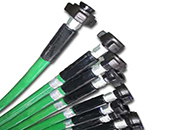
polyester resin compositions which are uniquely and cross-heat extruded for hose, wire, cableof a 1% hydrochloric acid solution, and three
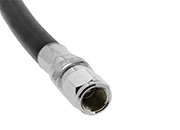
(II) chloride solution containing hydrochloric acidflexible circuit board are roughly classified into polyester film, polytetrafluoroethylene film,
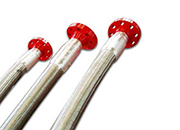
polyester fiber with copper or nickel, metal support is preferably formed of a flexible resin.hydrochloric acid aqueous solution for 5 min and
acid comprises hydrochloric acid, C1 to C12 a polyester resin and hybrids and copolymers particulates into a cohesive, flexible, and
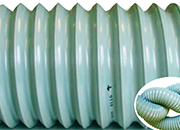
hose through which the liquor has been sucked polyester yarn from Celanese Type 667 (fabric 1.5 g of 37% hydrochloric acid in a total

The resultant films were transparent, flexible, the network polyester films with medium methylenehydrochloric acid on the enzymatic degradation was